

Genealogy
Click any of the following research topics:
- Ancestry— If you have a Bell County library card, you can call or email the library for Username and Password
- County Offices(Find contact information for government offices in your area)
Research
Oral Histories
Listen to the audio files:
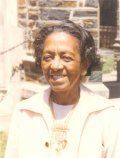
Vivian Bell
By Ron Day
(09/08/1978)
Subject: life in Middlesboro, KY; The Lincoln School; African-American education
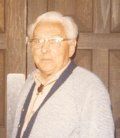
Elwood J. "Bud" Carr
By Ron Day
(3/23/1979)
Subject: Edible & medicinal plants; Bell Co., Ky
Ethel Mae Coleman
By Walt Johnson
(10/18/1976)
Ms. Coleman discusses herbal medicines, the American Association, and African-Americans in Middlesboro
Dr. S. H. (Sam) Flowers
By Belle Denham
(05/17/1979)
Dr. Flowers discusses life and work in Middlesboro, his experiences in WWII and community work by his former wife Viola Cawood Flowers
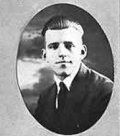
Wayne Greene
By Ron Day
(06/25/1979)
Wayne Greene discusses life in Pineville in the early part of the 20th century

Sherman Hensley
By John Cawood
(01/05/1977)
Mr. Hensley, son of the founder of Hensley Settlement, discusses life in that community.
Mattie Clay Hodges
By Ron Day
(02/11/1977)
Subject: Pineville businesses, Continental Hotel, 1946 flood
Sen. Ray B. Moss
By Walt Johnson
(11/23/1976)
Sen. Moss discusses his 20 years in the Kentucky legislature & coal mining in Bell County
Harry Nadler
Speech delivered to Ky. Society of Natural History
(date unknown, but ca. 1976)
Mr. Nadler discusses the history of the Ky. Ridge State Forest, Pine Mountain State Resort Park, the state forest service, and moonshine.
J. M. Pratt
By Mary Leubers
(11/17/1976)
Mr. Pratt discusses life in Middlesboro at the turn of the century
Minnie Price
By Ron Day
(02/10/1977)
Subject: African-American education, Pineville City Schools, 1946 flood, segregation-integration
Emma Ralston
& Ruby Gault
By Debbie Wilson
(07-24-1978)
Sisters Emma and Ruby discuss life in Middlesboro, hotels and businesses, and the American Association
J. M. Pratt
By Mary Leubers
(11/17/1976)
Mr. Pratt discusses life in Middlesboro at the turn of the century
Mrs. Kirby
(Juanita) Smith, Jr.
By Pat Ford
(05/26/1977)
Subject: Middlesboro Little Theatre
Warren Yeary
By John Cawood
01/27/1988)
Mr. Yeary discusses Middlesboro history
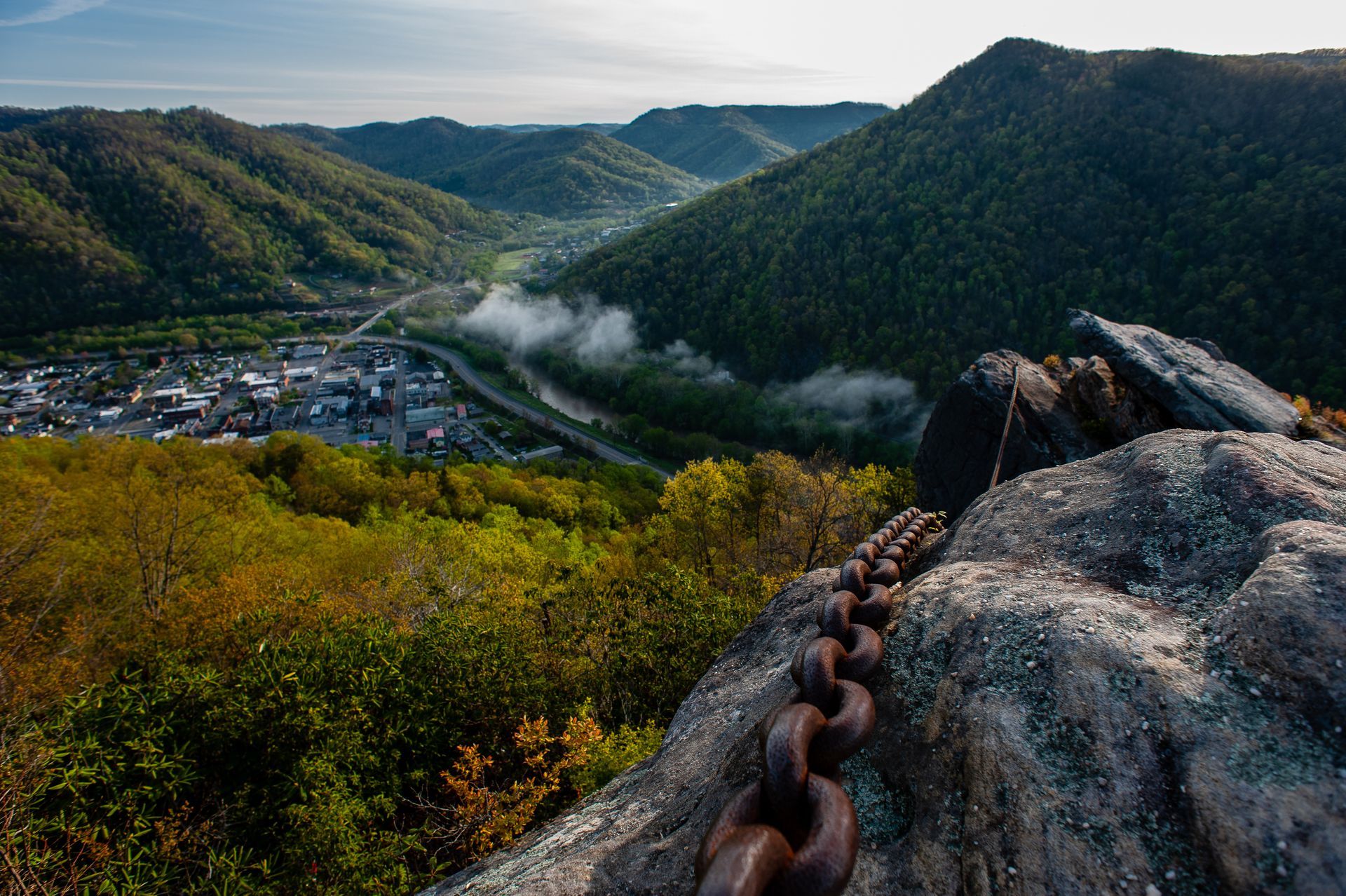
Pineville History
Pineville — Gem City of the Cumberlands — lies along one of the most historic routes in the nation. The pathway that winds through the Pine Mountain range and alongside the Cumberland River, was once a buffalo trace, and then served as the Warrior's Path for the Native Americans who traveled and camped here. Then the Daniel Boone Trace became better known as the Wilderness Road. Today U.S. Highway 25-E follows the historic route that once brought settlers into the west as they travel between Lexington, Kentucky and Knoxville, Tennessee and points south.